
Host Mike Stull is joined by Employers Health client solutions team members Travis Johns and Mary Kender to discuss pharmacy benefit strategies plan sponsors should consider heading into 2027. From identifying opportunities for savings to evaluating plan design changes and minimizing disruption for members, they share insights on navigating the options and finding the right approach for each plan.
Have an idea for an upcoming podcast episode? Submit your topic here.
Learn more about StarkRx here.
Watch or listen to Benefits Bites and Healthcare Headlines.
Register for upcoming Employers Health webinars or watch on demand at https://www.employershealthco.com/resource-center/events/
Sign up for our monthly newsletter here.
Find additional helpful benefits strategies and resources at https://www.employershealthco.com/resource-center/articles/
Read the Full Transcript
Mike Stull (0:09)
Hi, everyone, and thanks for joining us on this episode of HR Benecast, this is your host, Mike Stull. If you enjoyed this episode, be sure to sign up for our email newsletter to make sure you never miss an episode or subscribe to our channel on your favorite podcast platform. Right now, I’m joined by two of my colleagues from our client solutions team, Travis Johns and Mary Kender.
They work with Employers Health clients to ensure their pharmacy plans meet their population’s needs. With that comes analyzing and implementing strategies that deliver successful results. Today, Travis and Mary are here to discuss some successful strategies plan sponsors should consider as we head into 2027.
Welcome, Travis and Mary. We’re happy to have you here. I believe this is your big debut on HR Benecast. Travis, why don’t you kick us off by introducing yourself and sharing a little bit about your role, and then we’ll have Mary do the same.
Travis Johns (1:11)
Sure. Thanks, Mike, and good to be with you. My name is Travis Johns, vp of client solutions.
I’ve been with Employers Health for 10 years, overall responsibility, client satisfaction, and retention. My role at employers’ health, I’m responsible for managing a team of 12 Client Solutions executives. That gives a nice diversity when looking at an overall book of business and really get to see how they mitigate their plan costs.
Mary Kender (1:40)
Hello, I’m Mary Kender. I’m a client solutions executive at Employers Health. I’ve been with the company for almost four years now.
Prior to joining Employers Health, I’ve had roles in communications, training, leave of absence, and which all has helped me have a skill set to be able to support a book of business of around 20 plan sponsors and have a variety of different industries that I am covering.
Mike Stull (2:09)
All right. Thank you. You both work closely with plan sponsors, as we heard in your intros, across a variety of industries throughout the year.
As we head into 2027, what are some of the biggest challenges or priorities you’re hearing from clients right now?
Mary Kender (2:26)
So, I would say, Mike, that pharmacy as a whole is truly becoming a more active, as well as complicated, space for plan sponsors. Between the constant marketplace changes we’re seeing and the impact that comes with them, it’s truly become a challenge for plan sponsors to stay on top of everything and keep it all straight. However, if I did have to pick an area that I’m getting the most questions in on a day-to-day basis, I would say that it’s been more focused in specialty.
This has become a very volatile class, but it’s also a very expensive one between all of the different biologics that are continuously coming to market. We see about 1% to 1.5% of members really driving 50% to 60% of a plan’s gross spend, and there’s very limited options available in the marketplace to be able to address them. So, I’d say, aside from GLP-1s, which I’m sure Travis is going to be highlighting here in a second, I would say specialty is gaining a lot of traction.
Mike Stull (3:36)
Travis, GLP-1s, is that the move?
Travis Johns (3:40)
So, that is another area of focus, I would say, for a large chunk of our book of business. And so, over the last handful of years, GLP-1 management, specifically in the anti-obesity space, has been a cost driver for organizations and plan sponsors that ought to cover that class. We’ve seen spend increase on a per member per month basis for plans that choose to cover anywhere from $20 to $25 per member per month after we factor in those rebate dollars passed back to the plan.
Some of the other notable items that have happened the last handful of months, we’ve seen oral agents released to the market. Within our book of business, around 7% to 8% of all Wegovy claims are now oral. So, for folks that may be a little bit concerned about the use of a needle, they’re able to shift to that.
One of the notable shifts that we’ll talk about a little bit later is what those coverage statistics look like today, because we have seen a significant shift of those who do not cover GLP-1s for weight loss. And so, as you head into 2027 and into future years, that’s something that if you currently cover today, that you might want to take a look at and how that might impact your financials.
Mike Stull (5:01)
Yeah, the other big headline that we’ve seen in the marketplace is that employer costs will continue to grow by double digits heading into next year and 2028 as well. And pharmacy is certainly a fast-growing piece of that. And we see pharmacy now making up right around 23% of total healthcare costs.
So, specialty, Mary, you mentioned that one over eclipsing the $100 per member per month threshold from a gross perspective. And Travis, I think the stat I saw in GLP-1s was around $65 per member per month if you cover weight loss as well as coverage for diabetes. So, two very big areas that are definitely drivers of that healthcare cost.
So, let’s talk about some of the strategies that you’ve seen deliver particularly strong results for plan sponsors recently that you think more organizations should be considering as we move into 2027.
Travis Johns (6:06)
I think, and pardon the alliteration, but getting granular and looking into, you know, how we can manage some of these things. So, I’ll start with GLP-1s. The biggest thing is what can we do if we do cover these for weight loss to help either shift some of that responsibility to the plan participants?
So, can we adjust our co-pays and co-insurance? If we do that, is there a rebate impact for doing that? What’s the contract look like between the manufacturer and the PBM?
And what’s the threshold of steerage that they’re willing to take? Some of the other solutions that exist, a lot of weight management programs that are in the market today that require certain attempts at nutrition programs or require certain prescribers to be the ones prescribing the GLP-1 medication. Would those have any value?
And so, we have seen plan sponsors implement some of these programs and see positive results, not only for their plan, but for their plan sponsors as well. So, it’s not just someone, you know, going online, getting their fill, and you know, taking Wegovy and not changing their lifestyle. It’s someone that’s working with coaches or really trying to kind of get the best bang out of their buck when they’re taking these types of medications.
And then, again, back to granular, what else can you do while these two areas are big chunks, especially in GLP-1? What other levers are available? Are there utilization management programs out there that might drive some type of savings or might be more proactive that you can implement now and help kind of curb some of that cost away in the future?
Mike Stull (7:57)
Mary, anything from your side?
Mary Kender (7:59)
I would echo a lot of what Travis had to share. Looking outwards towards other third-party vendors has become a very popular topic. Sometimes they’re referred to as point solutions management vendors.
And other opportunities outside of the PBM arrangement, it really depends on what would, one, align with the plan’s philosophy, but also address what the problem area really is for where their spend and trend is at. Overall, when we’re looking at these different opportunities, it’s having those conversations and turning your attention towards what the PBM is capable of, which a lot of times carries limitations with it. That’s why we’ve started having more conversations outside of the PBM’s canned offerings.
Mike Stull (8:48)
Great. So let’s talk about some of the strategies or plan design changes that can look attractive from a cost perspective but require plan sponsors to think carefully about the potential impact on members. I can tell you recently, we’ve seen clients that historically had a lot of sensitivity to disruption, and we’ve seen them implement either new PBMs or we’ve seen them implement new programs that has us scratching our head thinking, wow, you were really worried about letters going out a day later than normal when we went through implementation, and now you’re going to put this program in place that is going to hit, you know, six to 10 percent of your members. So talk to us a little bit about what you all are seeing in terms of these types of strategies that, again, look attractive from a cost perspective, but certainly can have an impact.
Mary Kender (9:46)
I get a chuckle out of what you said, Mike, because to that point, member disruption is something a lot of plan sponsors are hesitant about, but I feel like we’re starting to get into the realm of you can’t experience any kind of cost savings unless you are willing to disrupt a segment of the population, and what are we really talking about when it comes to that disruption is it’s very variable depending on what path and route plan sponsors want to take, but most value I think I’ve seen recently kind of dating back to the specialty topic is looking at different carve-out vendors, and this is a topic that I feel like has been gaining traction in probably the past year, year and a half, just because of the different flavors that have become available when we’re talking specialty carve-out, but also what is it going to entail, and again, these plan sponsors, they’re running into issues where the PBMs really do not have a way to continue to address the rising costs that plan sponsors are seeing. It’s, again, 50 to 60, sometimes upwards above that percent of gross spend that is being realized from these products, so turning our attention towards specialty carve-out, it’s going to carry greater disruption, but we’re only talking about one to one and a half percent of the member population, so what appetite is there?
It depends on what they are willing to pull. There are utilization management vendors that work on the specialty space. A lot of the reasoning we see for that is kind of that fox guarding the hen house analogy.
You don’t want the PBM handling approvals for prior authorizations when they’re also the ones most often dispensing them, so when it comes to disruption there, it’s very well controlled, only looking at a small subset of those members, really targeting the ones that are newer to therapy and creating more flexibility to drive biosimilar utilization, so I know we recently created a relationship with RxResults, and that’s one that we can certainly have more conversations with our plan sponsors about.
There are two other flavors as well, alternative funding. That one can sometimes create a slippery slope because you’re accessing broader needs-based dollars that can be available, and then there’s sensitive information that gets requested from members, so is that the right fit? It really depends, and the last one’s kind of more of a full carve-out, and that would be handling everything through an outside third-party vendor, and for example, you may have heard of Archimedes, which we also have a relationship moving into the new year with, but that one would be a full move out of the PBM arrangement, looking towards that one vendor to handle all things utilization management, co-pay assistance, dispensing of the funds and more.
Mike Stull (12:54)
Yeah, definitely a lot of opportunities on the specialty side, and biosimilar utilization is a pretty easy one since most of those products are interchangeable. I think what we showed this year was that while certain PBMs may not be ready or willing to move quickly, we want to make sure that our clients have options to move quickly, and so we have PBM options that can accomplish that. We also have carve-out vendors that can accomplish that, and we’ve done some custom Employers Health specialty work to move faster on the biosimilar front, but certainly as you move past that, you get into situations, as you said, with carve-out of specialty management or carve-out of just the clinical PA piece where you’re talking about moving people from one drug in a class to another drug in a class, and that will cause some disruption.
Travis Johns (13:54)
I think no one likes the term disruption, but if we’re mindful about it and we are careful about it, you can get through the delicate dance that you have to as you face this disruption, and so I think of things like formulary changes that can have a huge financial impact. When are you launching that formulary change? Are you doing it at the beginning of the year when most members are used to receiving those types of notifications from the PBM saying this is what’s covered, this is what’s not covered, this is what’s shifting, you’ll need to work with your prescriber to get this updated, those types of things, but I also think of, you know, how are we rolling out some of the Employers Health clinical suite of offerings? Are there opportunities there that might come with disruption, but again, if we’re rolling that out thoughtfully and ensuring that folks are aware of what’s coming, then we’re being mindful about that disruption.
Other areas of focus, if you’re eliminating coverage in a certain class, you know, are we ensuring we’re aware of what the total number of utilizers looks like, what we’re opening ourselves to in terms of types of calls and feedback that we might receive, and you joked about letters at the start, are the letters going out and are they getting them on time and are they able to, you know, make a shift that they need to shift, and so if all of those things happen and you’re, again, mindful about that disruption, I think we work ourselves off a lot at the beginning and then we find that, hey, the noise wasn’t that bad.
Now, there will always be noise and sometimes it hits at the wrong time, but, you know, nine times out of ten, we’re hearing a lot less noise when you implement these types of solutions.
Mike Stull (15:44)
Yeah, perceived disruption is typically higher than real disruption, and I would argue that for most clients and with just the sheer amount of change in the industry, there’s going to be disruption regardless, so take your pick in terms of what type of disruption you want to deal with because it’s definitely going to be there. We’ve talked about different solutions that are out there, we’ve talked about disruption, so what are the biggest opportunities to manage spend with limited member disruption and what categories have the most opportunity for savings?
Travis Johns (16:23)
Nothing. No, I’m joking. You know, there are a lot of, I think, programs that the PBMs offer that client sponsors might just not be aware of or might be, you know, underestimating what these types of programs can do, so anything that’s like a retrospective utilization drug review program, and something that’s taking a look at your claims data post-fill and working with the prescriber on the back end, those are really going to be impactful because participants are working directly with their prescriber to navigate to an alternative drug that’s going to probably not only save the participant money, but save the plan money as well.
Other things would be some of those point solutions programs that are very member-specific, very specific to a therapeutic class that it’s not necessarily disruption, but it’s working with the participant to make sure that the remaining adherent, that they’re trying different courses of therapy, and really for plan sponsors it’s about measuring that ROI and is there a true ROI there, and we’ve seen over the past year different point solutions programs roll out that target psoriasis, target different therapeutic classes, and organizations are seeing that there is some value there, and not only on the pharmacy side, which continues to increase in cost as we talked about earlier, but on the medical side as well, and so I think those opportunities do exist.
As I mentioned earlier, it’s getting into the weeds and finding where they exist.
Mike Stull (17:59)
Mary, from your seat.
Mary Kender (18:02)
Travis hit the nail on the head. It would really be a lot of what we would refer to as those value-add programs when we’re looking to limit member disruption. How can we target certain member classes in order to ensure that they’re not seeing a great amount of disruption there?
If anything, it’s going to be holding their hand throughout the process, ensuring they’re adherent to their therapy. We see a lot of those vendors targeting maybe the heart health class, cardiovascular conditions. We’ve seen a growing interest in the dermatological space as well because some of those products are often more expensive therapies that are jumped to when there can be topicals usually as the first line, so it does depend on which route that the sponsors want to take.
We also see enhancements with the diabetes space as well, but usually that would be more of a voluntary offering since that class is more sensitive to that point.
Mike Stull (19:03)
Okay, we’ve talked about a lot of different ideas here. Now we’re going to boil it down for our final question, and if you could recommend just one thing for plan sponsors to take a closer look at heading into 2027, what’s it going to be?
Mary Kender (19:20)
Well, Mike, I will be the one that keeps harping us over and over, specialty management strategies. It’s definitely not an area we’re going to see continue to decrease over time. I feel like this is just going to become an area of pharmacy that will continue to increase in cost year over year, and there’s a need for optimization, within this space, so really driving that home, but most of all, if I can recommend that, it’s a very sensitive class that we’re going to be looking at when we talk specialty, and there are so many different opportunities to be talked about during this podcast. No one program is going to be a one-size-fits-all solution, and we would want to ensure that it’s not going to meet the expectations of saving the dollars that they’ll say they’ll save, as well as aligning with the plan’s overall philosophy, so as we’re considering these different strategies, I would highly recommend, you know, you’re consulting with your consultant, you’re having those conversations with them, but also looping in your Employers Health partners to ensure that whatever is being reviewed is going to hit all of the expectations and then some.
Mike Stull (20:40)
Of the four or five different types of specialty solutions that we mentioned, is there one in particular that you would start with?
Mary Kender (20:49)
I would always recommend going on the route of probably utilization management first. It will carry the least amount of possible operation up front, you know, it will look for opportunities to drive biosimilar utilization, typically aligns with the formulary that the PBM has in the background already, so it’ll just layer on utilization management, and most of the time they are looking at new to therapy utilizers. They’re not necessarily disrupting everyone upon implementation, unless there is a true biosimilar that a member can transition to on the PBM’s formulary, but it is the least disruptive and typically carries the most long-term savings.
Mike Stull (21:36)
Yeah, good. Good answer. We agree on that one.
I was hoping you’d say that. And it’s a great point in terms of, you know, you can turn these different strategies on for new utilizers or existing utilizers. I think the other piece on the specialty front that most people forget about is that every drug is getting a prior auth to begin with, and so you’re not introducing a new process that isn’t already supposed to be occurring.
And most of the work is done between the clinical management reviewer and the physician, so they try to keep the patient out of the middle of it, and they work directly with the prescribers. So, I think that’s the other important thing to remember. All right, Travis, how about you?
Travis Johns (22:26)
I think if I could recommend one thing for plan sponsors, it would be to ask the question. And so, if you’re at a conference or if you are hearing of different things that maybe some of your colleagues or counterparts at different organizations are implementing and doing, leverage employers’ health, leverage your consultant partner, as Mary mentioned, and leverage your PBM partner as well. A lot of times we’ll hear of these bright, shiny objects that people are interested in, and they don’t know that either A, they can get it through their current PBM relationship, or B, that we can help work with their current PBM and see if there’s any value in implementing through that PBM relationship.
So, leverage us. Ask the questions when you’re seeing these things. You know, if you see something, say something, as the old adage goes.
So, we’d love to hear it from you. And I think as our collective continues to grow, we continue to hear of these different vendors and help with that vetting process if it’s someone that we’re, you know, not as familiar with as some of the other solutions that have been mentioned today.
Mike Stull (23:40)
Yeah, good advice. And what we have found from our macro perspective at Employers Health is, we know that one size doesn’t fit all. And I think that’s a good takeaway from just hearing all the different options that groups have to manage their pharmacy spend.
We know one size doesn’t fit all, and so we’ve curated solutions, whether it’s the underlying PBM or whether it’s the companion programs that you can hold on to the PBM relationship. We have a number of different quality solutions that can meet employers where they are, help them hit their priorities and their objectives as it relates to the balance between saving dollars on plan spend and providing great benefits. So, be on the lookout.
There’ll be a lot of new relationships that we’re announcing over the course of the next probably couple months. We made the StarkRx and the Judi announcement last week or two weeks ago. And so, more to come in that vein of providing clients with a curated set of solutions that we’ve worked behind the scenes to make sure that they can work together operationally and that they make sense from a financial perspective.
All right, Mary and Travis, we made it through. Thank you both for your insights and sharing what you’ve learned working directly with employers on a day-to-day basis. And I think that’s one of the other benefits of the different types of educational programs that we try to put out, whether it’s the podcast, whether it’s our webinars, is that these aren’t just ideological think tank solutions.
These are things that we see each and every day that employers are considering and that our clients are wrestling with as they consider how to best manage the pharmacy benefits. So, thank you for joining.
And thank you for taking the time to listen and for your continued support, participation, and interest in Employers Health.
Have an idea for a future podcast episode? Head to our episode description to submit a topic. There you’ll also find links to additional Employers Health resources.
Be well, and we’ll see you soon.
In this podcast
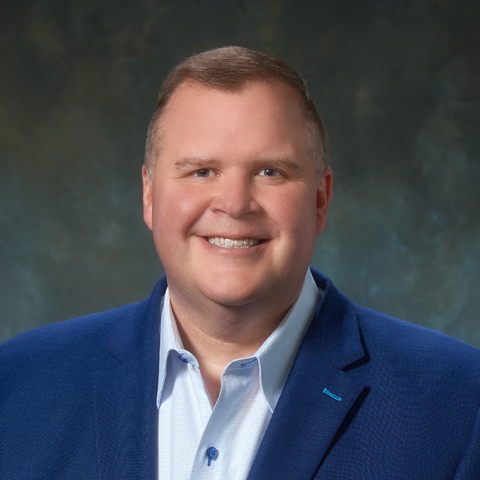
Michael Stull, MBA
Employers Health | Chief Sales Officer
Since 2004, Mike Stull has been a contributor to Employers Health’s steady growth. As chief sales officer, Mike works to expand Employers Health’s client base of self-insured plan sponsors across the United States.
Read More
Travis Johns, MHA, CEBS
Employers Health | Vice President, Client Solutions
As a vice president of client solutions, Travis provides ongoing support and oversight to employers, and their benefits and human resource professionals.
Read More
Mary Kender, MLS
Employers Health | Client Solutions Executive
Mary Kender is a client solutions executive supporting self-insured employers nationwide.
Read More