
Host Mike Stull is joined by Lizzi Corll, AVP, benefits at Bath & Body Works, to discuss how her team handles open enrollment for a large, diverse workforce, including strategies for keeping employees engaged, planning and measuring success.
Watch or listen to Benefits Bites and Healthcare Headlines.
Register for upcoming Employers Health webinars or watch on demand at https://www.employershealthco.com/resource-center/events/
Sign up for our monthly newsletter here.
Find additional helpful benefits strategies and resources at https://www.employershealthco.com/resource-center/articles/
Read the Full Transcript
Mike Stull (0:09)
Hi, everyone, and thanks for joining us on this episode of HR Benecast. This is your host, Mike Stull. If you enjoyed today’s episode, want to learn more about employers Health or access more of our educational resources and webinars, you can do so by heading to the episode description.
Today I’m joined by Lizzi Corll, AVP Benefits at one of the most well-known and best-smelling companies, Bath & Body Works, to discuss how her team tackles open enrollment for over 60,000 retail associates across North America. I’m excited to hear how a large retailer like Bath & Body Works handles such a crazy time open enrollment for so many employees. So to kick things off, why don’t you start by telling us a little bit about yourself and your role at Bath & Body Works, and our marketing team asks that I also ask to share your favorite Bath & Body Works scent with the audience, and they seem to be of the opinion that their favorite is the classic warm vanilla sugar.
Lizzi Corll (1:15)
Thank you, Mike. I’m very happy to be here today talking all things annual enrollment at Bath & Body Works. My journey at Bath & Body Works has been an exciting one that I have been on for about eight years now.
In my role, I oversee the administration and strategy for U.S., Canadian, and global benefit packages, which includes our retirement plans and our employee sector just then. It all keeps me busy, but I have an excellent team to execute all of the things for us. As a favorite scent, as you can probably imagine, Mike, it’s very hard for me to pick just one scent.
So I can say that all of the cashmeres have me right now. So to name a few of the cashmeres, we have Cashmere Blanket, Snowflakes and Cashmere, Cozy Cashmere. They’re all very warm scents that you could use in different seasons.
Mike Stull (1:56)
Sounds very relaxing.
Lizzi Corll (1:59)
It is.
Mike Stull (2:00)
Excellent. Well, as we get started today, Bath & Body Works, we mentioned clearly a large, diverse workforce that includes in-store, home office, distribution center associates. Talk to us a little bit about how far in advance your team prepares for open enrollment season and what some of the biggest challenges are.
Lizzi Corll (2:22)
Mike, thanks for that question to get us kicked off. I think it’s an excellent one. We do have a large, diverse workforce that we have to account for that includes both of our full-time and part-time associates with the different benefit packages that are offered to each population.
We start our preparations several months in advance and have to make sure we keep all of our associates in mind when we do that. To do this, we meet with our benefits consultants to review previous year’s data, utilization trends, and of course, we take into account any associate feedback that we hear throughout the year. This helps us determine what new programs or enhancements that will best support all of our associates.
And that leads me to our biggest challenge that you asked about. I would say that balancing what our associates need and the value while managing what our company resources are the largest challenge. You know, we need to make sure that what’s best for our associates and our company at the same time.
My goal is to have a competitive benefits package that supports our workforce in all aspects of their lives and to make sure that they feel that Bath & Body Works is investing in them through the benefits that we do offer. And sometimes that’s a lot of pressure.
Mike Stull (3:26)
Yeah, absolutely. You mentioned working with your consultants and the next question I had was, as you think about the work in preparing and executing open enrollment, do you do most of that internally or do you use third parties like your benefits consultants or even outside marketing firms?
Lizzi Corll (3:52)
Well, we lean on our consultant partners a lot. They join vendor utilization review meetings with us so they can help determine what’s available in the marketplace and what makes sense for us and our plans.
Mike Stull (4:03)
And we know that; I think that that’s pretty common across the board from different clients. You know, some do have internal marketing teams that they’ll work with, some outsource it to external firms as well. And part of the reason for an all-hands-on deck approach is that we know that most of our clients struggle with getting employees to even pay attention to benefits.
So when we think about benefits communications, how do you make those stand out and actually get people to pay attention during open enrollment? And I guess part of that question is also, do you have different strategies for, example, corporate employees versus in-store associates?
Lizzi Corll (4:55)
I can tell you, Mike, that this is a topic of a lot of discussions, especially since there’s a large part of our workforce that doesn’t fit and sit in front of a computer. First, I’ll mention that we have an internal benefits website that has all of our detailed clean information in an easy-to-read way, or in my opinion, it’s an easy-to-read way. We built this site a few years ago and we drive all of the associate engagement to it.
I can say that we’ve created behavior that associates know where to find the details when they need them. We see this as working because we review the traffic to the site on a regular basis. With that said, we also have to make sure we target our stores and distribution centers a little differently to make sure that information gets out there.
I think the process that we currently have works. We do send one postcard to homes prior to our enrollment window opening, and that’s for all of our associates. Then we have to ensure we follow up with some details.
So for the stores, we have a tool called Zipline. This tool has the ability to target communications to the right group of store associates to the benefits that they’re eligible for. I told you we have both part-time and full-time associates, so this tool will help us or helps us deliver the right message to the right people.
They can log on to this tool while they’re at work so communications shouldn’t get missed for them. Our distribution centers are a little bit different since electronic communication of any kind isn’t their main focus. They are notified of upcoming changes in person during their daily huddles prior to each shift.
All of this said, there’s always need for more communications, so my team engages in grassroots initiatives during annual enrollment time where we go into distribution centers. They join discussions. They’re on calls with regional store leaders, and they hold virtual office hours.
In general, we make ourselves available in very many ways to ensure that our associates know what is coming and that nothing gets missed. One more thing that I wanted to mention is that we’re currently exploring other ways to reach associates, such as sending text messages and creating different journeys on our website to meet associates where they are when they need it. These journeys bucket benefits appropriately for them.
I think some of those enhancements that belong to what we’re currently doing is really working for us.
Mike Stull (7:07)
Yeah, most definitely helping employees, meeting them where they are, helping them see an example of someone who’s in their position and following that journey from a benefits perspective makes a lot of sense. You also talked in the beginning about benefits as a way to help attract and retain talent, and I think part of helping employees get the most out of their benefits is to make sure they’re making good decisions about them. So to start, to give the listeners a baseline, maybe at a high level, just talk to us first about the plans you offer at Bath & Body Works.
Lizzi Corll (7:54)
Yeah, thanks, Mike. I do believe that we offer a comprehensive benefits package, which includes, of course, our core benefits of medical plan offerings. We have a traditional PPO and a high-deductible plan with HSA.
We also have two dental and two vision plans to choose from. Everyone’s benefits journey is a little bit different, so we want to make sure that we have selection in those core benefits. So then in addition to those core benefits, we also have programs such as an onsite wellness center and pharmacy.
We offer virtual physical therapy, cancer resources, and support, and legal protection program as well. So those are just a few of the things that we offer. Like I said, it’s a pretty comprehensive program, and we try to make sure that we are supporting the whole person.
That’s why there’s such an array of benefits that are available to our associates.
Mike Stull (8:40)
And we know that during open enrollment, there’s some specific things that we all want from a baseline perspective. We want to make sure employees, at a minimum, fill out the required documents. Based on the plans that you shared with us, so to the main question here, based on those plans that you shared with us, how does your team make sure employees A, understand the benefits, and then B, make the best decisions for themselves and their dependents?
Lizzi Corll (9:14)
Well, we definitely want associates to understand the plans that they are choosing and what we offer. So we actually have an excellent partnership with our benefits recordkeeper. So there are decision support tools available to them on the platform during enrollment for everyone to evaluate the best option for their family.
These tools will ask questions like; how do you utilize your benefits? How does your family utilize your benefits? So that support tool can help them pick the right plan for themselves and their family.
Also, as mentioned a little bit earlier in our conversation, we ensure that we make ourselves available for meetings and a one-on-one discussion so associates truly know what they are choosing and can ask questions specific to them. So like I said, we’re available to them so they can ask those types of questions. And then as we know, in our space, data drives a lot of decisions, and enrollment activities is not an exception.
This is monitored during enrollment on a daily basis, and if we see enrollment numbers are down, we’re getting feedback on the process from our associates. We push out more communications. We make ourselves more available.
We try to get the education out there to associates to ensure that we’re supporting them the way that we need to.
Mike Stull (10:19)
And I think at a foundational level, it’s just important for employees to understand that sometimes these are complex decisions. And so there are no stupid questions, particularly in a space like benefits where most people aren’t thinking every day about their health insurance benefits. And so being willing to ask questions and gather the information to make good decisions is a first step.
And I know even for those of us in the benefits field, if you’ve ever helped a parent pick a Medicare Advantage plan or a Medicare Supplement plan or you’ve helped a family member pick a plan off the exchange or even just help family members pick their work plans, there’s so many different variables that go into it. And sometimes it’s almost overwhelming for people who do this every day. So absolutely getting the right information in front of people and making sure that they ask the right questions is super important.
As we transition here to the final set of questions, so open enrollment is over. Your work is done for this year’s open enrollment season. How does your team define success?
Are there certain metrics that you look at? Is there certain types of employee feedback that tells you that your strategy worked?
Lizzi Corll (11:50)
That’s a really good question, Mike. As you know, in the benefits space, defining success can be a little bit tricky. Not all associates need all of the benefit programs that we do offer.
So I would say that success to me looks like good feedback from our associates, knowing that they feel supported and invested in. And then also going back to the data that I talked about a little bit earlier, I watch the top conditions in our medical plan year over year, and I love when I get to see the needle moved during our utilization reviews. Meaning when a condition goes from like the top three to the top ten, for example, I know that a program that we put in place is working and that’s a good success measure for me.
And it’s also a feel-good measure because you know that our programs are actually supporting the people that we support. So Mike, there’s always going to be factors that influence the success of our programs, but the engagement and feedback from our associates, I believe, is invaluable.
Mike Stull (12:40)
So as you think about other employers preparing for open enrollment, how do you think that they can stay innovative when developing open enrollment strategies as both benefits expectations and employee expectations evolve?
Lizzi Corll (12:57)
To be innovative, I think benefit leaders should consistently talk to their peers and benchmark their industries to see what works and what may not work. My top strategy is don’t stop looking and reviewing the data from vendors to always keep associate feedback in the top of your mind. It’s also a good place to mention that we don’t want annual enrollment to be a once-a-year transaction here at Bath & Body Works.
During this time, we want to connect and educate our associates to keep reminding them of the investment that Bath & Body Works provides to them through the benefits that we offer. So again, I think it’s just being consistent and talking to peers and benchmarking our industry to see what works.
Mike Stull (13:32)
And then finally, if you could give one piece of advice to another benefits leader who’s planning this year’s open enrollment, what would that be?
Lizzi Corll (13:44)
One piece of advice. I would say stay connected, listen to feedback, dig into the data, determine the right balance of what is going to support associates in the most meaningful way. And most importantly, as we already talked about, be sure to clearly communicate that in a way that is understandable.
Mike, I guess that’s more than one piece of advice, but that’s how I manage my work and how I manage our enrollment period.
Mike Stull (14:05)
Yeah, absolutely. Well, you mentioned in the last two questions about benchmarking and staying curious, and we just had a webinar replay of one of our talks from the Annual Benefits Forum about being curious. And so I think the purpose of this podcast in particular is to take a client that is doing something innovative that has a big task ahead of them in terms of open enrollment and reaching diverse populations of individuals and sharing that information.
And so hopefully our clients recognize that that’s part of the value of being part of employer self is we always want to share what everybody else is doing so that you can glean ideas, you can glean best practices from different individuals that are out there and take them and make them your own if they make sense for your organization. All right. Well, Lizzi, thank you so much for taking the time to join us here on HR Benecast.
I know our team always enjoys getting the opportunity to hear your perspective on benefits.
Lizzi Corll (15:19)
Thank you for having me.
Mike Stull (15:20)
Absolutely. And thank you all for taking the time to listen and for your continued support, participation and interest in employer self. Be well and we’ll see you soon.
In this podcast
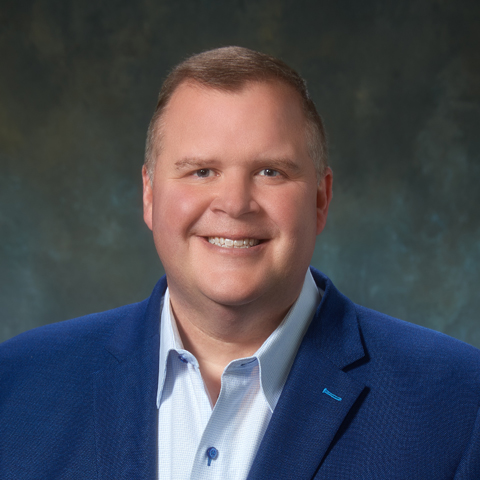
Michael Stull, MBA
Employers Health | Chief Sales Officer
Since 2004, Mike Stull has been a contributor to Employers Health’s steady growth. As chief sales officer, Mike works to expand Employers Health’s client base of self-insured plan sponsors across the United States.
Read More