
On this episode of HR Benecast, host Mike Stull is joined by CVS Health’s senior vice president of government and public affairs, Melissa Schulman. She discusses the complexities of the legislative process, key proposals that may resurface and the impact of state legislation on federal actions. She also addresses common misconceptions about PBMs and emphasizes the importance of employer advocacy in shaping drug pricing policies.
This episode was recorded on July 30, 2025. Some legislative developments may have changed since the time of recording.
Register for upcoming Employers Health webinars or watch on demand at https://www.employershealthco.com/resource-center/events/
Sign up for our monthly newsletter here.
Find additional helpful benefits strategies and resources at https://www.employershealthco.com/resource-center/articles/
Read the Full Transcript
Mike Stull (0:09)
Hi, everyone, and welcome to HR Benecast. This is your host, Mike Stull. Stay up to date on all things employers’ health by checking out the links in the episode description.
There, you’ll find helpful resources, upcoming webinars, and our monthly newsletter. Today’s guest is Melissa Schulman, senior vice president, Government and Public Affairs at CVS Health. Melissa joins us to provide updated insights on federal and state legislation that may affect PBMs and the pharmacy plans that utilize them.
Welcome, Melissa. To get us started, could you introduce yourself to the audience and talk a little bit about your role at CVS Health?
Melissa Schulman (0:51)
Sure. Thanks for having me. My name’s Melissa Schulman, and I lead Government and Public Affairs for CVS Health.
And what that means, in the most simple of English, is that I am the lead lobbyist for the company. And we lobby on behalf of our company, our clients, consumers that we serve, and I am responsible for our work both at the federal level and in 50 states and the District of Columbia.
Mike Stull (1:23)
Excellent. And I know one of the risks of doing a podcast around what’s happening in government and then publishing it later is that things can change. And so I think a good caveat or disclosure for the audience, we’re recording this July 29th.
So we know that this is going to air in the middle of August and there could be a chance that things will change. And so we’ll make that very clear. Let’s get started with the state of affairs.
Up on Capitol Hill, there’s been various house pass packages that have included PBM-related provisions. But then when it gets to the final version, none of them seem to make the cut. Talk to us a little bit about where we are.
Melissa Schulman (2:15)
So I think the first thing to keep in mind, and I’m going to date myself, is that it doesn’t work like schoolhouse rock. And it is far more complicated and there are a lot rules and procedures which dictate what can and cannot appear in a final package. So for the last six months or so, Congress has really been focused on the one big, beautiful bill, which was done under a procedure known as reconciliation.
And reconciliation is usually a; I’m going to spend some money. I’m going to tax some money. I’m going to decrease some money kind of legislation.
But it is a specific procedure that allows you to move legislation in the Senate with 51 votes, as opposed to what is more common these days, 60 votes. And you are able to do that kind of procedure when you have one party control of the House and the Senate and the White House. And so the good news is if you’re doing reconciliation, if you’re the party in control, is you only need 51 votes.
The bad news is, however, that you can’t do everything under reconciliation. And so what happened with the, and it is a rule that applies more in the Senate than in the House. And so what happened with the one big, beautiful bill, there were some PBM reform or pharmacy benefit reforms in the House passed bill, but they did not meet the procedural standard in the Senate.
And so some of the provisions dropped out because of that. And I think some of the provisions dropped out because of politics. There was a hesitancy to do anything affecting Medicare specifically and obviously in the one big, beautiful bill.
And one of the Medicare, one of the PBM provisions was tied to the Medicare program. So that dropped out because of that. So for a few different reasons for procedure, didn’t make it through.
I think that it is extremely likely that we’ll see many of those pieces back between now and the end of the calendar year. And so I think that it is a conversation that will continue on Capitol Hill.
Mike Stull (4:53)
And we referenced the proposals. You said we may see some of them back. Are there specific ones that were more likely to see movement on?
Melissa Schulman (5:05)
Yes, I think, and some of them have now been reintroduced as a clean package. So there is legislation that is around certain transparency requirements, both to the government and to clients. That bill has been around for quite a while from a CVS Health perspective.
Transparency isn’t something that we are opposed to in any way, shape or form. So to us, that’s like, okay, that sounds like it’s not a perfect thing. It’s not a perfect bill.
No bill ever is, but that seems to make sense to us. There are some other provisions that affected the Medicaid program. One had to do with the prohibition of what is known as spread pricing in Medicaid.
Again, that’s not something that we do in the Medicaid program. It also had provisions regarding some reimbursement rules around pharmacies and also some provisions around reporting of data that helped shape the National Acquisition Drug Index. It’s known as NADAC, and I’m not getting the exact name of it correctly.
And there was a requirement in the legislation that would require all pharmacies to report data into the NADAC index. So that we expect to see back again. And then there’s also legislation known as the Medicare delinking bill.
And that has to do with how pharmacy benefit managers are reimbursed. And it is a prohibition on tying. And let me say it this way.
It is a requirement that that reimbursement has to be done on a flat fee basis. And so those were basically the three big pieces that have been out there that we expect to see again. There are also some proposals in Congress that would put restrictions and limitations on how commercial plans could function and would limit a plan sponsor’s ability to craft their own destiny and decide how they want to pay for their benefit and how they want to craft their benefit.
And so there are some proposals like that that some may attempt to add into a package as well. None of these, however, really will actually reduce the price of drugs. They’re about some other things.
Mike Stull (7:59)
Yeah. And that’s probably the one big takeaway that I’ve seen even on the state level. I don’t know how anyone expects any of these laws to actually reduce pharmacy prices or prescription drug prices.
So even though that’s what they’re intended, that’s what the stated intention is, I should say.
Melissa Schulman (8:21)
Exactly.
Mike Stull (8:22)
It doesn’t seem that that’s actually what would happen.
We talked about the reconciliation process, which was a good call out. You mentioned that some of proposed legislation has been around for a while. Is there enough bipartisanship on this issue?
Are there certain things that you would see getting passed on a straight vote? Or do you think that they have to be part of some other larger bill?
Melissa Schulman (8:55)
The fact that they would likely have to be a part of a larger bill has less to do with the substance of the unique provisions and more to do with the politics and the procedures of the day. And I think that there’s not much that gets done in healthcare. That’s not a part of something else.
It’s kind of the nature of the beast these days. I think that there’s probably bipartisan majority support for some of these provisions. Some of them have passed the house already cleanly on their own.
But I think the nature of politics and the reality of Capitol Hill these days is that it is more likely that they would move along as part of something else. I think that’s the more likely outcome. And we don’t usually see healthcare tends to move in a package and everybody gets a little something.
But if it’s outside of the reconciliation process, which procedurally, they could do another reconciliation bill. But if it’s outside the reconciliation process, then you need 60 votes in the Senate. And I don’t know that this would move freestanding and get 60 votes, not because of the substance, but because there would be other priorities that members of the Senate would want to see happen.
Mike Stull (10:34)
I talked a little bit about, or at least I referenced, the state legislation that’s going on. Does all of the activity in the states and some of the challenges to ERISA preemption of some of those actions, does that put more pressure on Congress or the federal regulators to do something? Or are they just marching to the drum?
Melissa Schulman (11:06)
I think much of what underlies a lot of this conversation is actually around drug pricing and the egregious high prices of some drugs in the United States. And so if you are presented with the opportunity to, as we talked about a few minutes ago, do something on drug pricing, if somebody is pushing a strong enough narrative that this thing will reduce drug prices, then it becomes of interest, I think, to elected officials. I think the test still ultimately is, does that policy actually reduce drug prices or not?
But that is, I think, in many ways, the motivating factor. And so if you are in a state legislature, you don’t have necessarily as many leavers as you do in the federal government. And so I think a lot of the energy in the states has been because something hasn’t moved at the national level.
I think it’s been a bit of a symbiotic relationship, if that’s the right word, maybe not. But I do think one’s feeding the other. I think that in order to have a national impact, it does have to be federal legislation.
But I think state legislators are rightfully frustrated by the high cost of drugs, and they’re looking at a lot of different things. It’s why I think you’re seeing affordability boards being passed by more and more states. They think they’re looking at that as a way to get at drug pricing from a state perspective.
And so I think that the energy around state legislation will continue. I think if something passes federally, it could temper that energy.
Mike Stull (13:06)
So I’ve watched some of the hearings on Capitol Hill.
Melissa Schulman (13:12)
I’m so sorry.
Mike Stull (13:13)
I know. You’d think it was punishment for something, but I was intrigued. And then I became somewhat horrified as someone who’s been doing this for 20 years myself at the misunderstandings and misconceptions that legislators have about PBMs. And I actually wondered to myself, if they speak so confidently about this issue and aren’t quite accurate, what else are they talking about so confidently and not being completely accurate about?
But they obviously have a big job, and they have a lot of different issues that they’re asked to work on. But what are the big misunderstandings or misconceptions about PBMs? And then how do you respond to them?
Melissa Schulman (14:08)
Yeah, I think members of Congress, they do have tough jobs. There’s a lot that they’re expected to know and understand. And the joke that healthcare is complicated, it’s funny because it’s true.
And there is probably one of the most complicated things in healthcare is drug pricing and drug reimbursement and payment reimbursement for medications. So it’s not an easy area of policy. But I do think that one of the biggest fundamental understandings about PBMs is that the PBM is not making the decision.
The clients are making the decision. So whether that’s a health plan, an employer, a union, a state government health plan, a retiree fund, what have you, fundamentally, the PBM is implementing the plan that the plan sponsor has designed. So we as an employer, for example, CVS Health, we do point of sale rebates for our employees.
So they’re getting some of the benefit of the negotiation, not only in their premium, but also at the pharmacy counter. That’s completely an employer decision. And so when pharma is running a gazillion dollars of ads and blaming the PBM, it’s not our decision.
We’re implementing what’s the client’s choice. And the client, from our perspective, has the right to decide how they want to apply the rebates that are passed along to them. And many of them appropriately use them to bring down the cost of healthcare for their employees, and they apply it to the premium.
But that is the client’s choice. It’s not the PBM’s choice. And so I do think that one of the biggest misunderstandings is the role of the different players in the conversation.
That’s something that the politicians, I think, sometimes don’t fully understand. I also think that they don’t always really understand the role that the PBM plays in reducing drug prices, and that a rebate is a discount. And that by and large, certainly from a CVS Health perspective, we’re passing the rebates back to our clients.
And I think there’s a lot of misconceptions and misunderstandings amongst elected officials about how all of that works and what actually happens. And so I kind of joke, if I’m a lobbyist for another part of the healthcare supply chain, it’s a pretty easy elevator ride speech. If I’m explaining what a PBM does, I’ve lost them before the elevator has left the basement.
And so that I think also makes it, the complexity of the system leads to sort of almost an automatic, it’s opaque, I don’t get it, something’s wrong here, as opposed to it’s opaque, it’s complicated. And by the way, we’ve actually substantially reduced the cost of the pharmacy benefit for our employers, clients, and that’s why they see value in using a PBM.
Mike Stull (17:38)
We talked about the role of the employer in that last part. And one of the things that we know is missing from the debate on how to best deliver pharmacy benefits and how to get drug prices down is an employer voice. So what can employers do, or how are you engaging with clients at CVS Caremark to make their voices heard and to convey to legislators how they fit in this equation?
Melissa Schulman (18:12)
I think that employers have an incredibly powerful voice to their elected officials. And we like to make sure that our clients know what’s going on at the federal level and know what’s going on in state legislation, that may impact the cost of their benefit. And we want to make sure that our clients have an opportunity to explain to their elected officials, if you’re limiting the ability of the PBM to fulsomely negotiate, or you’re taking away some of the tools that a PBM has to lower the cost of the pharmacy benefit, that that is ultimately affecting the employer and is affecting the employer’s ability to pay for healthcare for their employees.
And so we think that it’s important for our clients to have the knowledge, and then they can make the decision about whether or not that’s a subject they want to raise with their elected officials. Most of our clients, talking about their benefits, is not the first thing they’re going to talk about with a politician. They’ve got their own industry or their own company priorities.
And so a lot of times we also try to be the voice for our clients. And we know that they have other things to talk about and to lobby on, as much as I would like them to spend all their time on healthcare issues. That’s not really feasible or practical.
And so we also really try to make sure that we’re being the voice of our clients with elected officials and making sure that elect officials understand that if you take away our ability to manage a network configuration, for example, then it’s likely going to mean higher costs for the actual payer and the employers in their state or in their congressional district.
Mike Stull (20:10)
Yeah, and I know a lot of times, particularly with state-level issues, and we look at some of the proposed legislation and ask ourselves, would they actually allow that on the medical side? So it’s interesting that, particularly as it relates to some of these network decisions, I mean, it’s really common for employers to cut out a hospital or cut out a provider on the medical side.
Melissa Schulman (20:36)
Right.
Mike Stull (20:37)
So why wouldn’t you allow that on the pharmacy side?
And I think there’s a consistency issue in terms of things that are being proposed on the pharmacy side that would probably never see the light of day on the medical side.
Melissa Schulman (20:52)
I think one other thing to look at is whether or not they’re having their own state health plan or retiree plan be subject to the same laws. And what we will sometimes see in a state is that they will exempt their own plans, either from the entire bill or a portion of the bill, but yet still leaving employers on the hook for the very same things that they recognized in their own plan was going to increase costs.
Mike Stull (21:30)
Oh, yeah. Yeah, we found that the public universities or governmental entities within a given state are great advocates for when they realize what a piece of legislation will do to their particular costs. They’ve been great advocates in terms of speaking up and saying, here’s how much this is going to cost us.
And in lieu, it’s going to cost you as the state government as well. So yeah, always-
Melissa Schulman (22:00)
I’m sorry. Oftentimes, Mike, that results in a legislature and a governor understanding, wait a second, if this is what it’s doing to my plan, what is it doing to the hardware store that I go to every Sunday? And what is it doing to their plan?
And so oftentimes that state fiscal note or the analysis of their own plan can be very illuminating. And actually, we have been able to use that kind of fact base to prevent legislation from passing that would have been very harmful to the employers in a given state.
Mike Stull (22:44)
Absolutely. Well, Melissa, we always appreciate you coming on or joining one of our leadership calls to give us an update on what’s going on and appreciate all you do to try to help employers continue to deliver consistent and affordable benefits across the country.
Melissa Schulman (23:06)
Thanks for having me and thanks for the conversation.
Mike Stull (23:09)
Thanks again to Melissa. As always, be sure to subscribe to HR Benecast to be notified when new episodes are released. And thank you for taking the time to listen and for your continued support, participation, and interest in employers’ health.
Be well, and we’ll see you soon.
In this podcast
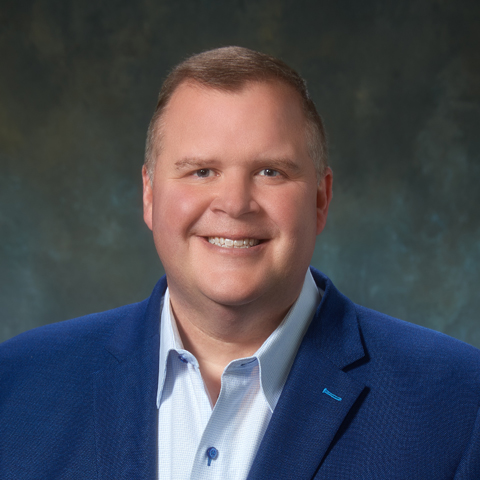
Michael Stull, MBA
Employers Health | Chief Sales Officer
Since 2004, Mike Stull has been a contributor to Employers Health’s steady growth. As chief sales officer, Mike works to expand Employers Health’s client base of self-insured plan sponsors across the United States.
Read More