
In this episode of Benefits Bites, hosts Mike Stull and Madison Connor dive into the basics of fiduciary responsibilities all plan sponsors should know. They discuss the definition of a fiduciary, the key responsibilities that come with this role and the importance of compliance with legal standards.
Register for upcoming Employers Health webinars or watch on demand at https://www.employershealthco.com/resource-center/events/
Sign up for our monthly newsletter here.
Find additional helpful benefits strategies and resources at https://www.employershealthco.com/resource-center/articles/
Read the Full Transcript
Mike Stull (0:10)
Welcome back to another episode of Benefits Bites. I’m Mike Stull and with me.
Madison Connor (0:15)
Madison Connor
Mike Stull (0:16)
And today we’re talking about fiduciary responsibility. So Madison is going to share her wisdom as it relates to all things fiduciary, but we’ll do it in a brief format.
Madison Connor (0:26)
Try to.
Mike Stull (0:27)
Try to. Try to. It’s a very complex topic, so let’s start with who is a fiduciary.
Madison Connor (0:31)
Absolutely. So, a fiduciary is anyone that exercises discretionary authority or control over the day-to-day administration of the plan. A common misconception is that this is only the named fiduciary in your plan document, but really, whenever you determine who is a fiduciary, you’re looking at the actual day-to-day tasks performed by anyone who is involved in the administration of your health plan.
So this can also be your benefit selection committee, other key executives, all the way down to your day-to-day manager of benefits as well.
Mike Stull (1:05)
Great. I remember at our annual benefits forum, I believe a speaker said you may not want executive leadership on those committees and in a fiduciary role. So something to keep in mind.
So what does it mean to be a fiduciary?
Madison Connor (1:22)
Absolutely. So, the fiduciary standards are set by ERISA, a statutory duty, and there are a few main pieces that you need to keep in mind when you are exercising your fiduciary decisions. And the first being that you have to act for the exclusive benefit of plan participants and their beneficiaries.
You’re also required to act with the skill and diligence of another like-minded professional in your role. So we’re not just talking about anyone walking in across the street and holding them to that fiduciary standard. We’re talking about a like-minded professional.
Most importantly, you also have to exercise your day-to-day plan administration in accordance with your plan document. So this is why we’re always talking about how important it is to have your plan document as well as your SPD. And of course, making sure that those documents follow ERISA’s stringent standards.
And then lastly, and also a very important piece, is you have a fiduciary duty to only pay reasonable plan expenses. So that is the day-to-day ensuring the reasonability of the expenses paid by the plan. It’s the ongoing monitoring of your vendors as well as record keeping of all of those decisions that you’re making on a day-to-day basis.
Mike Stull (2:45)
Yeah, I remember one of the first clients we had was a banking institution. And I should say one of the clients that we had that I worked quite a bit with. And I believe three of the four benefits professionals on the team were attorneys.
And I learned at that time, because the PBM would often in meetings say, well, if this adversely impacts someone, we can make an exception, or we could make an exception. And they were adamant that they did not make exceptions. And it all has to do with they were very much in the know about what their fiduciary responsibilities were.
Madison Connor (3:30)
Absolutely, in terms of the plan document control. And the way that you’re interpreting that plan document is with the participants and their beneficiaries’ best interests in mind.
Mike Stull (3:40)
And I would say a lot of the recent attention on consultant compensation, broker compensation, those types of things is out of the fiduciary requirement to be paying reasonable amounts for different services.
Madison Connor (3:57)
Absolutely. And some of the federal transparency disclosures that we now must make were codified into ERISA. So those are also play into the fiduciary responsibilities that you have insight to that data.
That data is now reported, and you need to make use of it by ensuring the reasonability of all those fees.
Mike Stull (4:17)
So let’s talk about how else can employers fulfill their fiduciary responsibilities.
Madison Connor (4:22)
I think it really comes down to a sound decision making process. And certainly we’re involved in discussions with our employer clients on a day-to-day basis where they’re evaluating vendors. They’re evaluating different plan design considerations.
They’re determining whether or not they want to adopt a different type of pricing model. And it’s really important to make sure that on a day-to-day basis, you’re keeping a great track of those decisions that you made and you’re showing your work along the way. A misconception that I see in light of all of the fiduciary lawsuits is that you have this absolute duty to minimize expenses entirely and ensure that you’re always going with the lowest cost vendor.
And that’s just not the case. ERISA requires that you are making reasonable decisions. And cost is just one of many factors that play into the decisions that fiduciaries make on a day-to-day basis.
Mike Stull (5:18)
And we received a letter, or a client received a letter, and we ended up getting a copy of it from a third party that basically said, by virtue of participating in a collective like Employers Health and specifically named us, the client was abdicating all of its fiduciary responsibilities. Is that the case?
Madison Connor (5:40)
No, not at all. And I don’t think one of the consequences of all the buzz about the fiduciary duty lawsuits is that it’s becoming a marketing tactic. And many people are dabbling in the ERISA nomenclature and using fear tactics around what is alleged in these lawsuits to make plan sponsors feel like they’re doing something wrong.
Mike Stull (6:06)
So are you saying that if you don’t carve out specialty, you’re not necessarily violating your fiduciary responsibility?
Madison Connor (6:14)
Yes, that is what I’m saying. So just because there are certain behaviors outlined in some of these lawsuits does not mean that employers are breaching their fiduciary duties by not considering a transparent model or continuing to have a spread pricing arrangement. What you really focus on is how did you evaluate all of the options available to you?
Why did you make those decisions and how did that impact costs to the plan?
Mike Stull (6:43)
There’s also a lot of talk around fiduciary models. So we’ll hear PBMs market themselves as fiduciary PBMs. And that gets into delegation of fiduciary responsibility. Talk to us a little bit about what duties can an employer delegate or can an employer delegate fiduciary responsibilities to vendors?
Madison Connor (7:10)
You may not delegate your entire fiduciary responsibility outright. That will always remain with the plan sponsor to ensure that decisions and plan administration is being done responsibly and in accordance with ERISA. Mostly because you do owe that fiduciary duty to continue to monitor those plan service providers.
I would be wary of any vendor that claims to accept outright fiduciary responsibility. In the case of PBMs specifically, it’s very common for the PBM to accept fiduciary responsibility for the purposes of adjudicating claims and processing appeals. But in terms of outright fiduciary liability, that acceptance, I’d be very interested to see what does your contract actually say and how does that relationship actually work?
Mike Stull (8:01)
Excellent. Yeah, I know there’s a lot of marketing going on out there. I think it’s really important to understand who’s saying, you know, who’s providing the information that you’re taking into consideration and what biases they may have.
We talked about on our PBM episode the fact that Employers Health has varying options as it relates to PBM models, as it relates to carving out specialty, etc. So the way that our clients fulfill their fiduciary responsibility through their process and through their decision making, they may come to different conclusions but still follow a sound process to get there.
Madison Connor (8:44)
I would also say on that note, you talked about who is actually communicating that, who is saying that. I would also think about who is the fiduciary duty owed to. So I’ve seen some state laws proposed that say that PBMs will owe a fiduciary responsibility to the plan, the provider, and the patient.
And how in the world would you owe a fiduciary responsibility to all three of those entities at the same time?
Mike Stull (9:16)
Which brings up our last point around which decision. So employers make a lot of decisions as it relates to the benefit plan. Which ones are fiduciary decisions, and which ones aren’t?
Madison Connor (9:32)
Absolutely. Because it can seem concerning for a plan sponsor to hear, I owe this fiduciary duty to always act in the best interest of my plan participants and beneficiaries. And that’s not the case.
And this is recognizing that as a plan sponsor, you also have an employer business, a business interest in your health plan. And there are some decisions that you make that are not subject to fiduciary responsibilities. And those have to do with your decision to offer a plan in the first place.
So beginning a health plan, any plan design decisions that are made, and then as well, any decisions to reduce benefits or to terminate the benefit plan. And if you think about it, it makes sense. If I were to reduce or increase plan premiums or reduce benefits that I offer, that’s arguably not in the best interest of my participants.
But I am making a business decision as an employer to ensure the financial solvency of my health plan.
Mike Stull (10:30)
Excellent. Well, thank you, Madison, for enlightening us on all things fiduciary, or at least from a macro level, all things fiduciary. As we said, it’s a complex subject.
We’ll probably tackle bits and pieces of this as we move forward with this podcast. But anything else you’d like to add?
Madison Connor (10:51)
I think we’ll continue to tackle some of these topics as we move along. I think we’re due for an episode dissecting the fiduciary lawsuits as well in the future. So stay tuned, and more to come.
Mike Stull (11:02)
Ah, teasers. Always good to end on a teaser. Well, thank you all for joining us, and we’ll see you on the next episode.
Madison Connor (11:10)
Thank you.
In this podcast
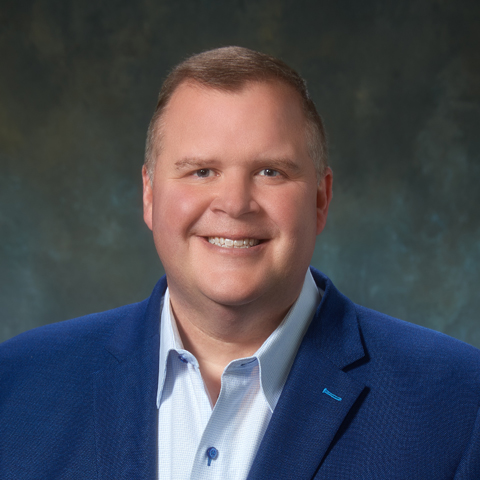
Michael Stull, MBA
Employers Health | Chief Sales Officer
Since 2004, Mike Stull has been a contributor to Employers Health’s steady growth. As chief sales officer, Mike works to expand Employers Health’s client base of self-insured plan sponsors across the United States.
Read More
Madison Connor, J.D., CEBS
Employers Health | Senior Vice President, Regulatory Compliance and External Affairs
Madison is responsible for monitoring state and federal legislative and regulatory developments that may impact employer sponsored health plans.
Read More